If your home or acreage relies on a septic system, regular care can help prevent backups, unpleasant odours, property damage, and costly repairs.
Your septic system works quietly behind the scenes, but everyday habits can have a significant effect on how well it performs. Following these septic system maintenance tips can help keep your tank and drain field working properly.
Protect Your Septic Tank and Drain Field
The area surrounding your septic system is just as important as what goes down your drains.
- Direct rainwater, downspouts, and surface drainage away from the septic drain field. Too much water can prevent the soil from properly treating wastewater.
- Avoid planting trees or large shrubs near the septic tank or drain field. Growing roots can damage pipes or interfere with the system.
- Keep septic tank lids securely closed and in good condition.
- Do not drive or park vehicles on the septic tank or drain field.
- Avoid building sheds, decks, or other structures over the system.
- Keep the location of your septic tank accessible for regular cleaning and maintenance.
Reduce Water Use Around Your Home
Using too much water at once can place unnecessary strain on your septic system.
Consider installing high-efficiency toilets, showerheads, and other water-saving fixtures. Repair leaky faucets and running toilets promptly, as even a small leak can send a surprising amount of extra water into your septic tank.
It also helps to spread laundry throughout the week instead of washing several loads in one day. Giving your septic system time to process wastewater can help it operate more efficiently.
Be Careful What Goes Down the Drain
Your septic system relies on beneficial bacteria to break down solid waste. Harsh chemicals, grease, and non-biodegradable materials can interfere with this process or create blockages.
Use household cleaning products that are safe for septic systems and avoid using excessive amounts of bleach or antibacterial cleaners.
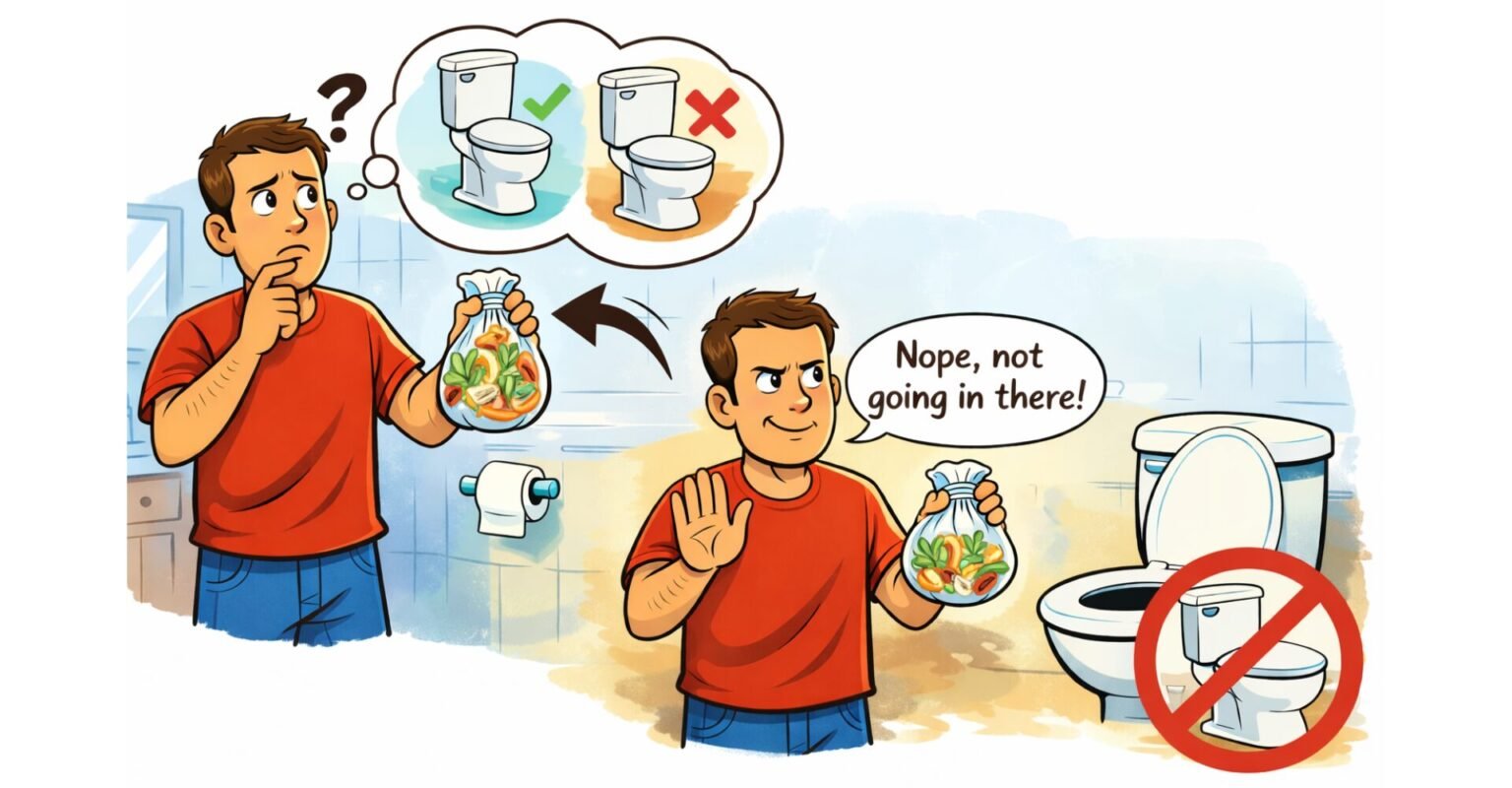
Garbage disposals should also be used sparingly. Food scraps add more solid material to your septic tank and may cause it to fill more quickly. Whenever possible, place food waste in the garbage or compost instead.
What Should Never Be Flushed
Only human waste and toilet paper should be flushed down the toilet.
The following items should never enter your septic system through a toilet or drain:
- Feminine hygiene products
- Wet wipes, including wipes labelled “flushable”
- Baby wipes and diapers
- Cleaning wipes and pads
- Dental floss
- Cotton swabs and cotton balls
- Paper towels and facial tissues
- Medications
- Cooking grease and oil
- Food scraps
- Cigarette butts
- Cat litter
These materials do not break down properly and can contribute to clogs, backups, or faster buildup inside the septic tank.
Keep Toxic Chemicals Out of Your Septic System
Never pour antifreeze, motor oil, gasoline, paint, solvents, pesticides, or other toxic chemicals down a drain or toilet.
These substances can kill the beneficial bacteria your septic system needs to break down solid waste. They may also contaminate the soil or groundwater surrounding your property.
Contact your local waste disposal facility to find out how to safely dispose of household chemicals and hazardous materials.
How Often Should a Septic Tank Be Cleaned?
How frequently your septic tank needs cleaning depends on several factors, including:
- The size of the septic tank
- The number of people in your household
- Your household’s water usage
- The amount of solid waste entering the system
- Whether you use a garbage disposal
- When the tank was last cleaned
Regular septic tank cleaning helps prevent solids from building up and reaching the drain field. Waiting until there is an obvious problem can increase the risk of backups, damage, and more expensive repairs.
If you are unsure when your septic tank was last cleaned, it may be worthwhile to have it checked.
Signs Your Septic Tank May Need Cleaning
Your septic system may give you warning signs when the tank is becoming full or the system is struggling.
Watch for:
- Slow drains throughout the house
- Gurgling sounds from toilets or plumbing
- Toilets that are difficult to flush
- Unpleasant sewage odours
- Water backing up into sinks, tubs, or toilets
- Wet or unusually green grass near the septic tank or drain field
- Sewage pooling outside
Do not ignore these warning signs. Having the system serviced promptly may help prevent a larger and more unpleasant problem.
Schedule Septic Tank Cleaning in Ponoka and Central Alberta
Good household habits and regular septic tank cleaning can help protect your system and reduce the risk of an unexpected backup.
Dunc’s Septic Tank Services provides dependable septic tank cleaning for homes and acreages in Ponoka and throughout Central Alberta.
If your septic tank is due for cleaning or you have noticed signs that it may be getting full, contact Dunc’s today to schedule service.